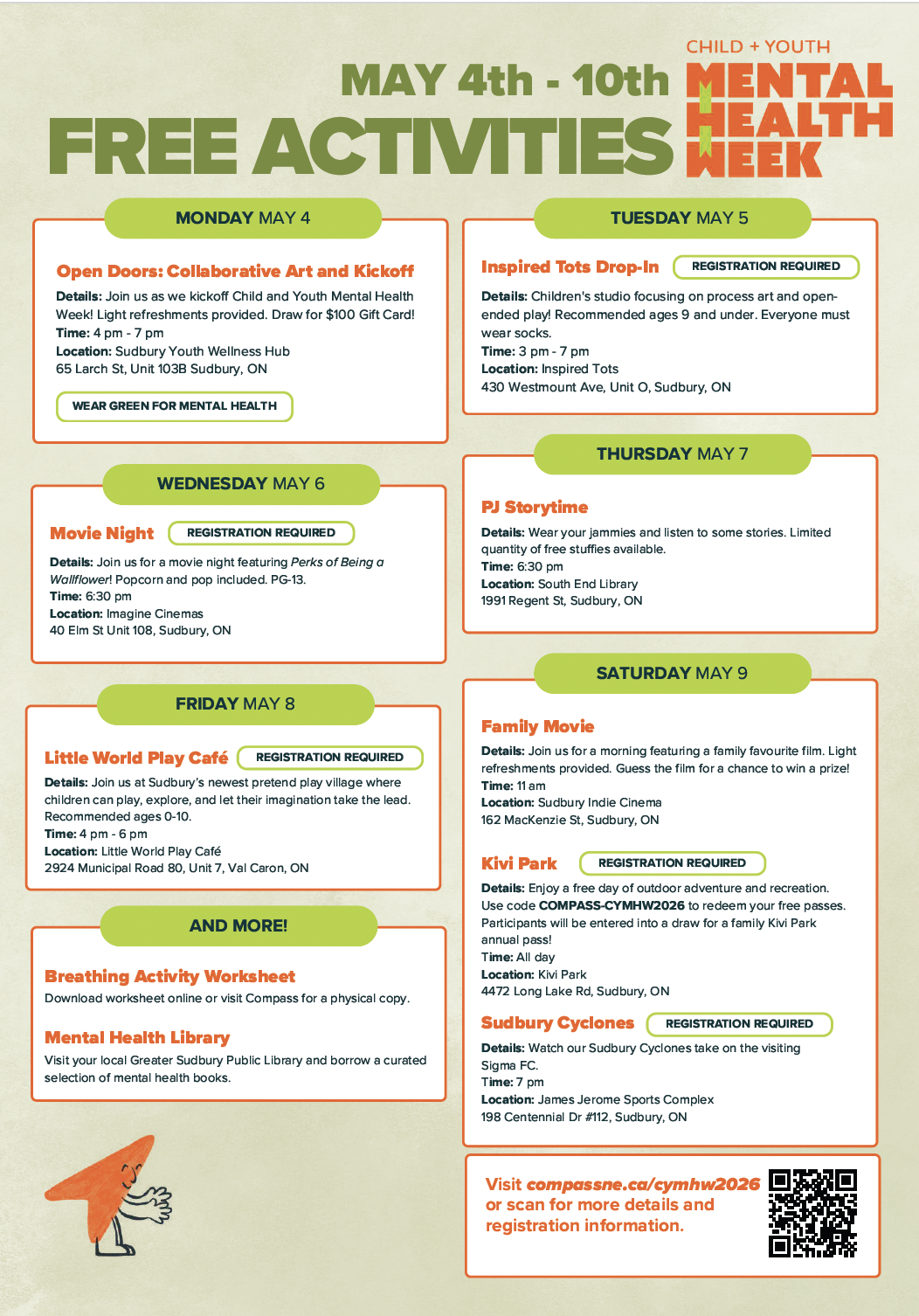
Children’s Mental Health Week 2026
Children’s Mental Health Week is an annual event dedicated to raising awareness about the importance of children’s mental health and well-being. It typically focuses on promoting positive mental health, reducing stigma, and encouraging conversations about mental health issues among children, families, and educators.
Key Aspects of Children’s Mental Health Week:
- Awareness: The week aims to inform parents, educators, and the community about the mental health challenges children face.
- Activities: Various activities are organized, including workshops, educational sessions, and fun events to engage children and families in discussions about mental health.
- Support: It provides resources for families, teachers, and children to better understand and support mental health needs.
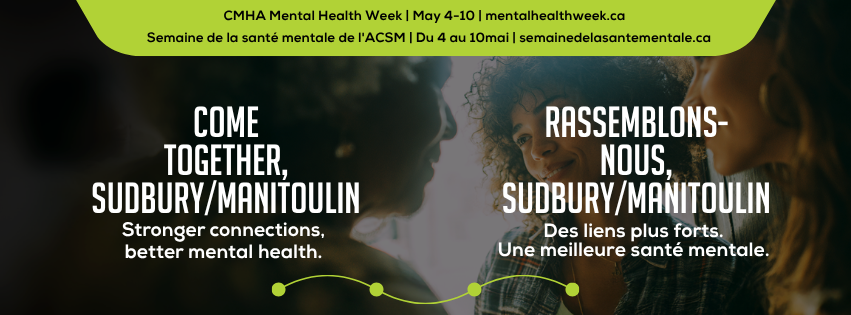
Mental Health Week 2026 Theme:
Come Together, Canada
Stronger connections.
Better mental health.
Social connection is essential to our overall health and well-being, yet many people are feeling alone. Across Canada, millions report feeling lonely often or all the time.
From May 4 to 10, the Canadian Mental Health Association marks Mental Health Week with the theme Come Together, Canada: Stronger connections, better mental health. This message highlights the important role connection plays in our daily lives and encourages simple, meaningful ways to reach out and support one another.
Throughout the week, our schools will take part in activities and learning opportunities that help build understanding of mental health and the value of staying connected. Below, you will find resources and ideas to support this learning at home and in our communities.
Together, we can help strengthen mental health, build caring communities, and ensure that everyone feels a sense of belonging.
Because connection strengthens mental health.
Guidance for Parents & Guardians
Creating a supportive environment for children’s mental health is crucial for their overall well-being and development. By implementing strategies, parents can create a nurturing environment that supports their children’s mental health, helping them develop the skills they need to navigate challenges and thrive emotionally. Here are several ways parents can foster such an environment:
Open Communication
Encourage Dialogue: Create a safe space where children feel comfortable expressing their thoughts and feelings without judgment.
Active Listening: Pay attention to what your child is saying, validate their feelings, and respond empathetically.
Emotional Awareness
Teach Emotional Literacy: Help children recognize and label their emotions. Use books or stories to discuss feelings and coping strategies.
Model Emotional Expression: Show your child how you manage your emotions in healthy ways, demonstrating that it’s okay to feel a range of emotions.
Helpful Websites:
School Mental Health Ontario Website: https://smho-smso.ca/ School Mental Health Ontario aims to create a culture of mental health awareness and support in schools, ensuring that students have access to the resources and support they need to thrive emotionally and academically.
The Kids’ Health Hub Website: kidshealthhub.ca Provides resources focused on children's health, including emotional well-being and mental health resources for parents and educators
PBS Parents Website: pbskids.org/parents Offers articles, activities, and videos focused on emotional development and literacy for children.
Greater Good Science Center (UC Berkeley) Website: greatergood.berkeley.edu Provides articles, research, and activities focused on emotional intelligence, resilience, and well-being for children and families.
Routine & Structure
Establish Routines: Consistent daily routines provide stability, helping children feel secure and understand what to expect.
Set Clear Expectations: Communicate family rules and expectations clearly, which can help children feel more confident and secure.
Promote Positive Relationships
Encourage Friendships: Support your child in building friendships and social connections, which are vital for emotional support.
Family Bonding: Spend quality time together as a family through activities, meals, or game nights to strengthen relationships.
Healthy Lifestyle
Balanced Nutrition: Provide healthy meals and snacks to support physical and mental well-being.
Physical Activity: Encourage regular physical activity, which can help reduce anxiety and improve mood.
Limit Screen Time
Set Boundaries: Establish reasonable limits on screen time and encourage engaging in outdoor or creative activities instead.
Monitor Content: Be aware of what your child is watching or playing, ensuring it is age-appropriate and positive.
Encourage Independence
Promote Problem-Solving: Allow your child to make decisions and solve problems on their own, which fosters resilience and confidence.
Respect Boundaries: Give children space to explore their interests and develop their identity.
Teach Coping Skills
Introduce Relaxation Techniques: Teach your child methods for managing stress, such as deep breathing, mindfulness, or positive visualization.
Encourage Hobbies: Support your child's interests and hobbies, which can provide a productive outlet for emotions.
Recognize Signs of Distress
Be Observant: Pay attention to changes in behavior, mood, or academic performance, which may indicate underlying mental health issues.
Seek Help When Needed: If you notice persistent signs of distress, consider consulting a mental health professional for guidance and support.
Foster a Growth Mindset
Encourage Resilience: Teach your child that setbacks are a part of life and emphasize the importance of learning from failures.
Celebrate Efforts: Acknowledge and celebrate their efforts and achievements, reinforcing a positive self-image.
Activities for Families and Classrooms
These activities can help strengthen bonds, promote understanding of mental health, and create a supportive environment for children during Mental Health Week.